Maerl Beds: Britain's Forgotten Reef Builders and Why They Matter
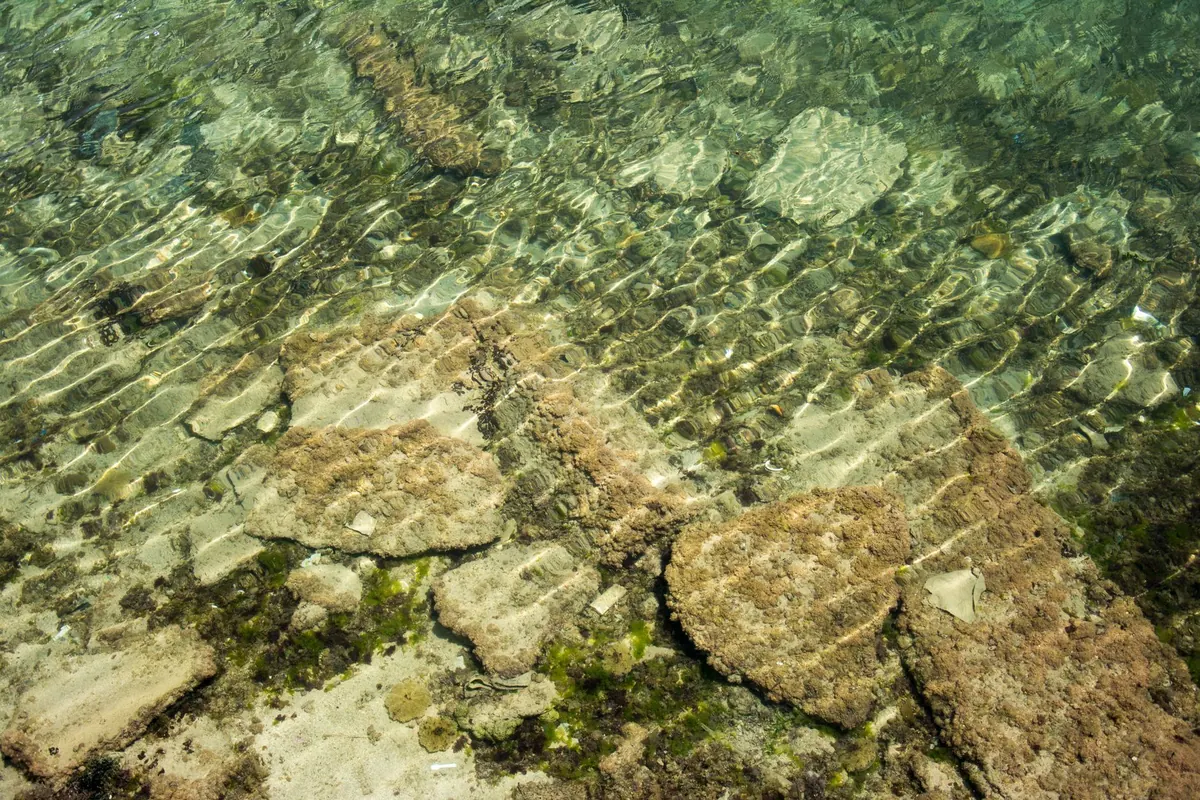
Ask anyone to picture a reef and they will probably describe warm water, branching coral and shoals of bright fish. Britain has its own reef builders, and one of the most widespread is a seaweed most of us would walk past on the beach without a second glance.
Maerl is the name for a group of coralline red algae that live loose on the seabed, branching into brittle pink nodules. Where conditions suit them, they pile up over centuries into beds that can be metres thick. They are among the slowest-growing habitats in our seas — and among the quickest to lose.
What maerl actually is
Maerl beds are built by red seaweeds that harden themselves with calcium carbonate, the same mineral corals and shellfish use. Two species do most of the work in British waters: Phymatolithon calcareum and Lithothamnion corallioides. Neither attaches to rock. They grow as free-living, knobbly fragments that tumble about in gentle currents and branch at the tips as they go.
A living nodule is pink to deep purple. Once it dies it bleaches to bone white, and the bed becomes a mixture of living maerl and dead maerl gravel. That gravel is not waste rubble — it is the structure itself. It persists long after the algae that made it, and it gives a maerl bed its bulk.
You will not find maerl in muddy estuaries or the roughest tidal channels. It needs clear water with enough light for photosynthesis, moderate current to stop sediment settling, and a seabed that is not smothered by silt. That narrow set of requirements is why beds are patchy, and why they are so easily degraded.
Why loose nodules count as a reef
Reef is a habitat term as much as a geological one. A reef is any structure that rises above the surrounding seabed and creates surfaces, crevices and shelter where there would otherwise be flat sand or mud. Maerl does exactly that. Between and beneath the nodules sits a three-dimensional lattice of gaps, and those gaps are the point:
- Juvenile fish — cod, pollack and saithe among them — use the spaces as cover while they grow.
- Scallops, brittlestars, sea cucumbers, sponges, hydroids and burrowing anemones settle in and around the bed.
- Red seaweeds attach to the dead nodules, adding another layer of structure and food.
- Predators follow the small stuff, so these beds work as feeding grounds as well as nurseries.
That mix of structure and productivity is why maerl is treated as a reef habitat in its own right, and why it appears on OSPAR's list of threatened and declining habitats. In Scotland it is a Priority Marine Feature, and several beds sit inside Marine Protected Areas.
Growth measured in centuries
Maerl does not repair itself quickly. The figure usually quoted is around a millimetre of growth a year, and even that is optimistic in cold, low-light water. A single nodule may be decades old; a bed may have taken thousands of years to build.
The practical consequence is blunt. Damage that takes seconds to inflict can take longer than a human lifetime to undo. A dredge tow or a dragged anchor does not just kill the maerl it touches — it removes the structure the next generation of nodules would have grown into.
The pressures on maerl
Fishing gear
Scallop dredges are the most direct threat. They are towed with toothed bars that dig into the seabed, and maerl is brittle. Repeated passes break living nodules into dead fragments and flatten the bed's structure, and because growth is so slow the scars persist. Bottom trawling for other species can do similar damage. Historically, maerl itself was dredged commercially for agricultural lime and soil conditioner.
Anchors, chains and moorings
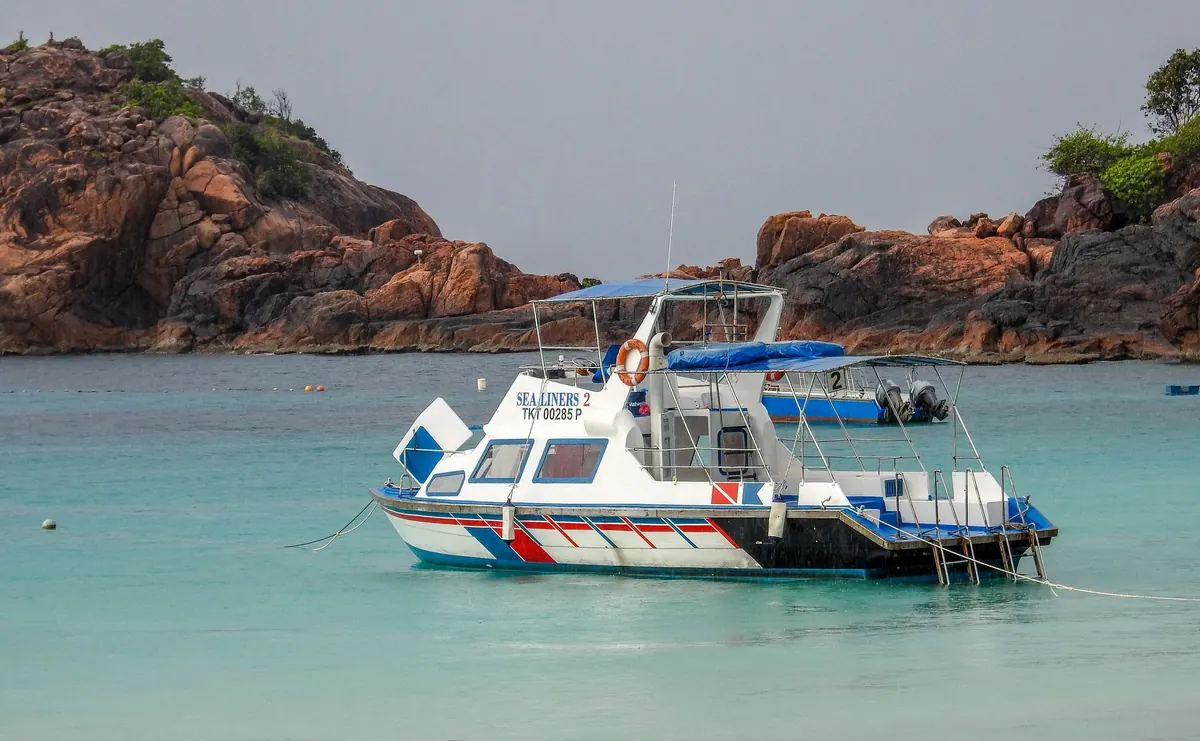
A yacht anchor and chain can carve a visible scar through a bed in a single night. In a popular anchorage, that happens dozens of times a season. Traditional swinging moorings are their own problem: the chain sweeps a circle across the seabed as the boat swings, scouring everything inside it. The damage is modest next to dredging, but it lands precisely on beds that are otherwise easy to protect.
Sediment, nutrients and acidification
Runoff from land brings silt and nutrients. Silt smothers maerl and blocks the light it needs; nutrients encourage faster-growing seaweeds that shade it. And because coralline algae build their skeletons from a form of calcium carbonate that dissolves relatively easily, ocean acidification makes growth harder and more costly. Warm-water coral reefs are the famous casualties of acidification. Cold-water coralline algae are among the quieter ones.
Where Britain's maerl is
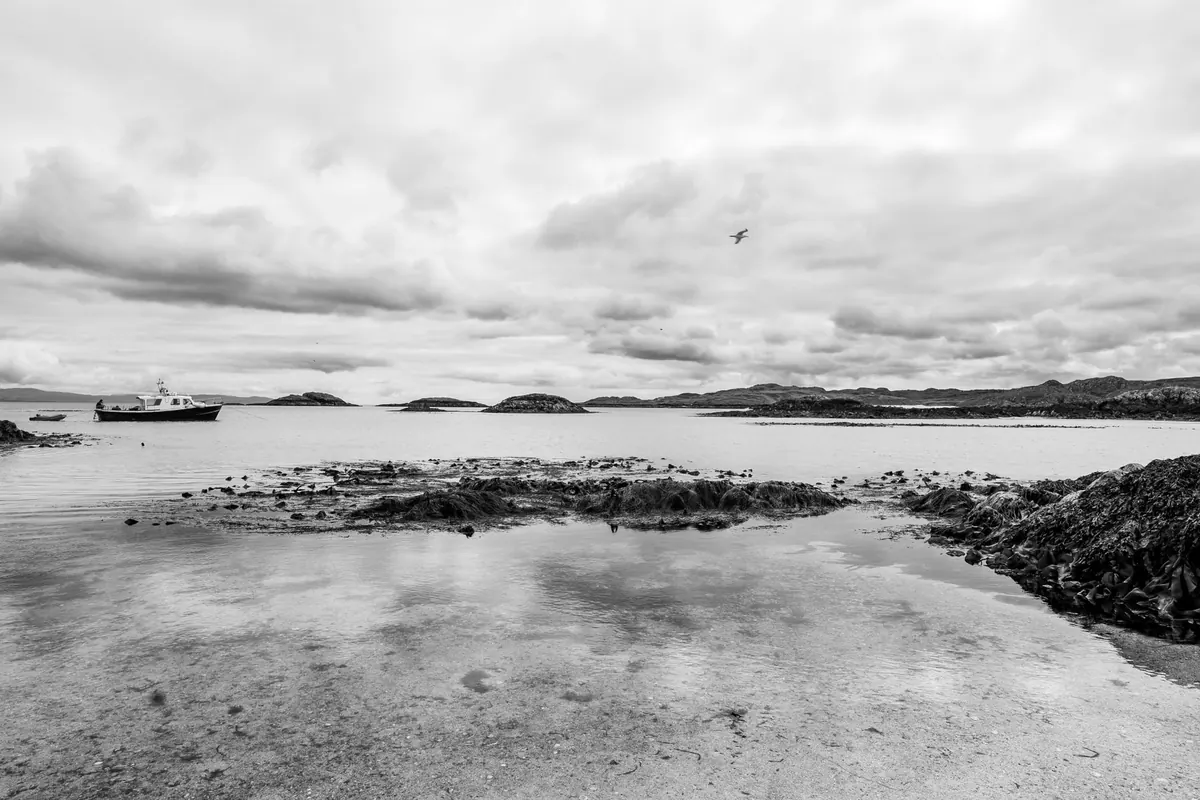
Scotland holds the largest share. The Sound of Barra, parts of the Firth of Lorn, Loch Sween, and many sheltered voes in Shetland and Orkney all support maerl. In England, the best-known beds lie in the south-west, particularly around Falmouth Bay and the Helford in Cornwall. Wales and Northern Ireland have smaller, more scattered beds.
Most are invisible from the surface. From a boat you might notice nothing at all, which is part of the problem: you can anchor on a maerl bed without ever knowing it is there.
What you can do
A few habits make a real difference, especially where maerl and popular anchorages overlap.
- Look before you drop. Check the chart, the echo sounder and any local cruising notes. Beds often show as rough or gravelly ground in shallow, clear water. If you are over one, shift a little.
- Pick up a buoy where there is one. Mooring keeps your chain off the seabed. Some harbours now install eco-moorings, which use elastic or helical anchors instead of a heavy ground chain and cause far less scour.
- Shorten your scope in sensitive areas. Less chain on the seabed means less sweeping. If conditions are too rough for that, anchor somewhere else.
- Keep hands and fins clear if you dive or snorkel. Maerl snaps under a careless fin kick. Take photographs rather than samples.
- Record what you see. Seasearch, your local Wildlife Trust and county marine records centres all welcome sightings, and records help make the case for better protection.
- Read the label. Maerl still appears as Lithothamnion or "red algae" in soil conditioners, skincare and some food supplements. If you are considering one for your health, speak to a pharmacist or GP first — they can tell you whether it is worth taking at all.
If you sail, dive or fish near a maerl bed, it is also worth asking whether the local Marine Protected Area has a management plan covering anchoring and bottom-towed gear. Many do. Asking whether it is being followed is a fair question for a habitat that took thousands of years to build.
Maerl will never draw the crowds a tropical reef does. It is drab from a distance, brittle underfoot and almost invisible from a boat. But it is one of the few reefs in British waters that any of us can protect simply by choosing where to spend the night at anchor.
Photo: Mina Hakim / Pexels