Choosing a Coral-Friendly Dive Operator: A Guide to Spotting Greenwashing
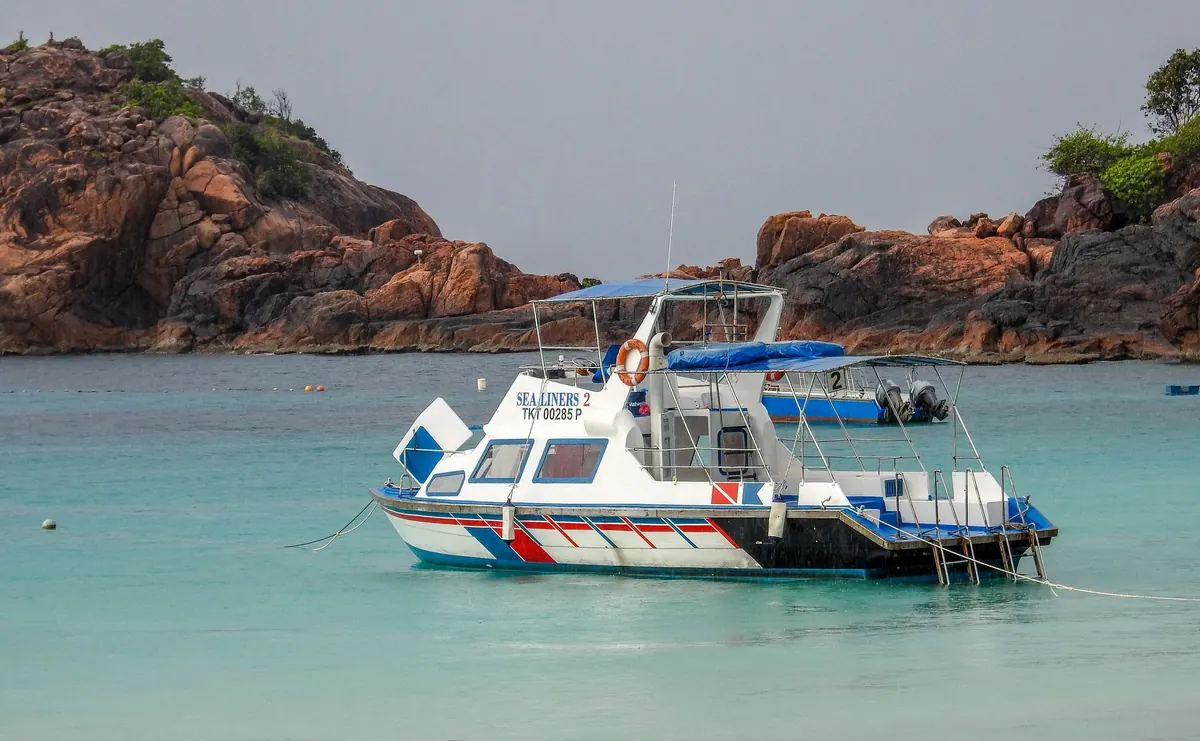
Coral reefs attract divers in their thousands, and a growing number of dive operators now build their reputation on protecting them. That is a good thing. It also means the word "eco" has become cheap, and picking a boat that genuinely softens its impact takes more than a quick look at a homepage.
The tell-tale signs are rarely dramatic. They show up in small decisions: where the boat ties up, how a briefing is written, what a guide does when someone kneels on a coral head. None of that makes for a glossy photograph. All of it matters more than any badge on a website.
What Reef-Friendly Looks Like on an Ordinary Dive Day
Move the conversation from values to specifics and the picture gets clearer fast. An operator that protects the reef changes unglamorous details: permanent moorings instead of anchors, briefings that name the fragile parts of a site, guides who correct poor buoyancy before it becomes contact, and group sizes small enough that a guide can actually see everyone.
The details that count
- Mooring buoys used where they exist, and no anchoring on living coral anywhere.
- Site-specific briefings that mention depth, current, and the areas to avoid.
- A no-touch rule that includes gloves, knees, fins and camera housings.
- Enough guides in the water, not just enough guides on the paperwork.
- No fish feeding, no chasing, no "just for the photo" handling of anything.
You can often judge a dive centre before you get in the water. Ask whether they need to see a certification card and a logbook, whether they offer a check dive or skills refresher, and whether they would turn away a diver who refuses to follow the rules. An operator that has never said no to anyone is probably not enforcing much.
Questions Worth Asking Before You Book
Send these in an email rather than asking at the counter, where it is easy to give a breezy answer. Vague replies are themselves a reply.
- How do you moor at the sites you visit? Look for named sites and named methods, not "we're very careful".
- What is your maximum number of divers per guide? Insist on a number. "Small groups" can mean anything.
- How do you check buoyancy? A good answer mentions a weighting check and a guide who watches for contact, not just a mention of trim.
- Have your guides had conservation training? Ask what it involved and who ran it, in-house or otherwise.
- Do you collect marine park or reef fees, and where do they go? A straightforward answer is a good sign. Evasiveness is not.
- What happens if a diver damages coral? There should be a policy, and it should involve ending the dive.
- Do you support any local work? Surveys, mooring maintenance, clean-ups, coral nurseries, training for local guides.
- Who works for you, and for how long? Long-serving local staff usually know their reef intimately, and that knowledge protects it.
Signals of Practice That Holds Up
Genuine operators tend to be specific, even boringly so. They can name the sites they moor at, describe a briefing they use, tell you how many divers they take per guide and explain why. They will happily talk about the seasons they avoid a particular site because it is under stress.
They say no
The clearest single indicator is a willingness to turn business away. A centre that cancels a trip for weather, refuses a diver who ignores the rules, or caps numbers at a popular site even when demand is high is putting the reef ahead of the till. That costs them money, which is exactly why it means something.
The money shows up locally
Reef protection is expensive and unglamorous. Moorings need maintaining, surveys need repeating, local guides need paying. If a centre talks about conservation, ask what it funds and who does the work. Support that stays in the community tends to last longer than a one-off donation.
A useful test: if a claim would fit on a T-shirt, it is not yet a policy.
Marketing Lines That Mean Very Little
- "Eco-friendly diving." Meaningless on its own. Ask what it changes in practice.
- "We love the ocean." So does everyone. Affection is not a management plan.
- "We never touch coral." That is the baseline for any competent diver, not an achievement.
- "Carbon neutral." Often about offsets elsewhere, which says nothing about anchor damage at the site you are visiting.
- "Coral planting programme." Sometimes real, sometimes a photo opportunity. Ask about species, permits, and whether anyone monitors survival after the fragments are attached.
- A logo with no name. If there is a certification, it should be named, and you should be able to find out what it required.
- "We follow local regulations." Regulations are a floor, not a ceiling.
None of these phrases is proof of bad practice. They are simply claims that cannot be checked, which is why they should carry little weight in your decision.
On the Boat: What to Watch For
The day itself will tell you most of what you need to know. Listen to the briefing: does it mention this reef in particular, or could it have been given anywhere? Watch where the boat stops and whether a line goes down to a mooring or an anchor drops onto rubble.
Watch the guides, too. Good ones reposition divers gently, signal for a fin that is about to scrape, and pick up line or plastic without making a performance of it. Poor ones let a group settle on the bottom for a photograph and say nothing. If you see contact, mention it afterwards. Most centres welcome the feedback; the ones that shrug have told you what you needed to know.
A Practical Shortlist for Your Next Booking
Before you commit, do three things. Email two or three centres the questions above and compare the specificity of the replies. Look for evidence of moorings, guide ratios and local staffing in whatever reviews or photos you can find. Then, when you book, mention that reef protection is part of why you chose them — it puts the good practice on the record and gives them a reason to keep it up.
Once you are there, dive within your limits, keep your kit close, and ask to be moved to a less busy site if the one on offer is heaving. A reef that gets a rest on a Saturday is better off than one that does not, and operators notice which customers ask for that. Choose carefully, ask plainly, and your holiday money can do a little good along the way.
Photo: mohd hasan / Pexels